 ultimate-guide
Structural Repair Costs for Florida Homes: 2026 Guide
Table of Contents
- What Structural Repair Costs Actually Look Like for Florida Homes
- Florida Foundation Repair Cost Breakdown by Damage Type
- Factors That Drive Your Final Structural Repair Estimate
- Structural Engineer Cost in Florida and Why You Need One
- Home Structural Inspection Cost and What It Covers
- Florida Home Repair Permit Requirements and Inspection Timelines
- How to Compare Contractor Bids and Protect Your Investment
- Frequently Asked Questions
Last Updated: October 18, 2026
What Structural Repair Costs Actually Look Like for Florida Homes
Structural repair costs for Florida homes vary dramatically depending on what's actually wrong. A minor foundation crack might run a few hundred dollars to stabilize. A full foundation replacement or major structural restoration can exceed six figures. The difference comes down to damage severity, your home's size, soil conditions, and how accessible the problem area is for contractors to work.
Most homeowners get blindsided because they don't understand what drives the final bill. You might get three contractor estimates that differ by 50% or more, and without knowing what you're looking at, it's impossible to tell if one is genuinely better than the others or just cheaper by cutting corners.
Here's what the actual numbers look like and how to navigate the process without overpaying or under-repairing.
Florida Foundation Repair Cost Breakdown by Damage Type
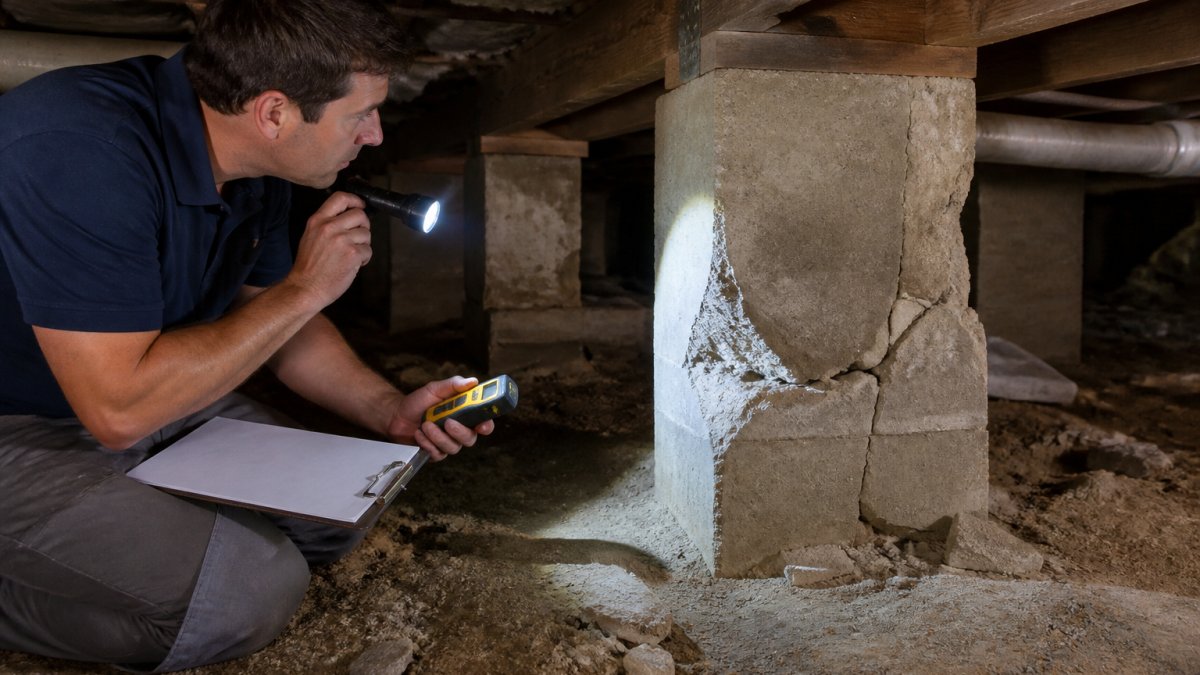
Foundation repair costs depend almost entirely on what kind of damage you're dealing with. A hairline crack in your foundation wall requires a completely different repair strategy than a foundation that's settling unevenly or showing signs of structural movement. Understanding the damage type is your first step to understanding the cost.
Minor Cracks and Stabilization
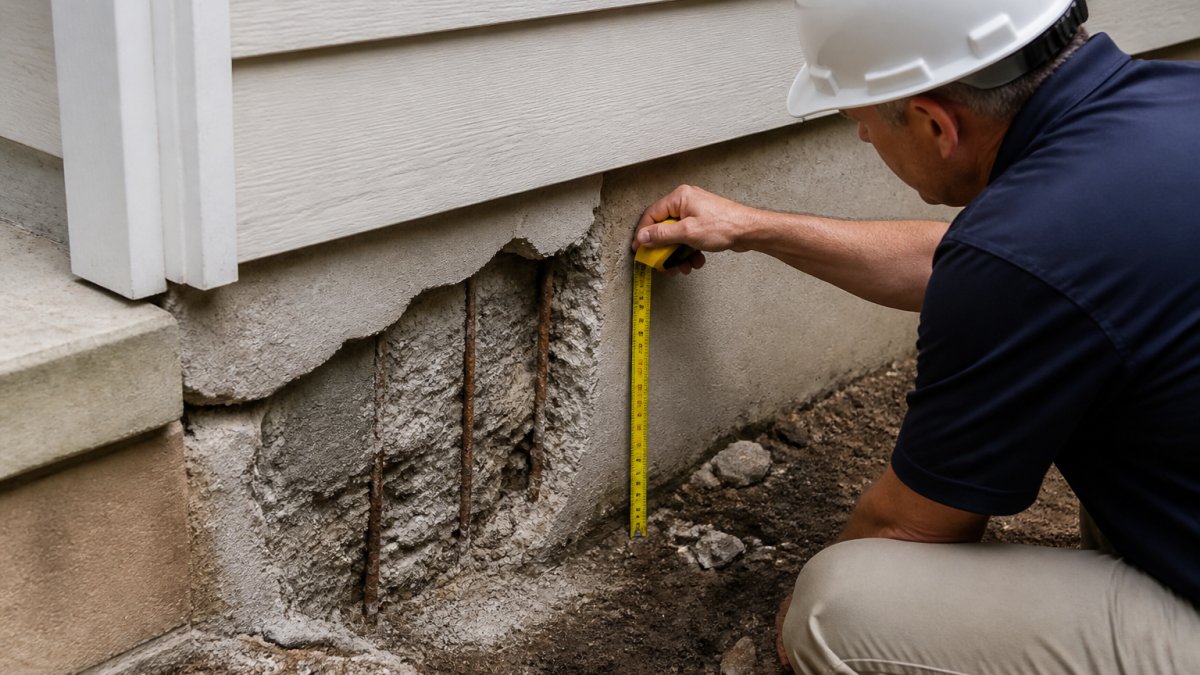
Minor cracks, typically under one-eighth inch wide, are common in Florida homes. These hairline fractures often result from normal concrete curing, minor settling, or small shifts in soil. Stabilizing these cracks usually involves epoxy injection or polyurethane sealing, which prevents water infiltration and stops the crack from widening.
This type of repair is the least expensive structural repair costs option because it requires minimal excavation, no major structural reinforcement, and relatively straightforward material application. A contractor can often complete the work in a single day. The repair scope is limited to the crack itself, so labor hours stay low and material costs are minimal.
Many homeowners delay minor crack repair thinking they're harmless. They're not, water finds its way into even hairline cracks, and once water gets into your foundation, it accelerates deterioration. Fixing a minor crack now prevents it from becoming a major structural damage issue later.
Piers, Underpinning, and Major Stabilization
When a foundation shows signs of settling, bowing, or structural movement that goes beyond surface cracks, you need deeper intervention. Piers and underpinning systems transfer your home's weight to stable soil layers below the problem area. This is where structural repair costs climb significantly because the work requires excavation, specialized equipment, and precise engineering calculations.
Pier systems come in different configurations, helical piers, steel piers, concrete piers, each suited to different soil conditions and load requirements. The choice depends on your soil composition, water table depth, and how much of your foundation needs support. A structural engineer must assess your specific site conditions before recommending the right approach.
Underpinning typically requires breaking out sections of your existing foundation, installing new support systems, and rebuilding the foundation above. This is labor-intensive work that often takes weeks rather than days. It's also where you see the biggest variation in contractor pricing because the scope is highly customized to your home and site conditions.
Foundation Replacement and Full Restoration
Full foundation replacement is the most expensive structural repair option. This involves removing sections or the entire foundation, installing new footings at proper depth, and rebuilding the foundation structure. This type of work is typically only necessary when a foundation has failed so severely that repair isn't feasible, or when a home is experiencing catastrophic settling.
Full replacement is rare for most homeowners, but it happens in Southwest Florida when homes have been built on poor soil, experienced severe flooding damage, or have gone decades without proper maintenance. The cost reflects the scope: extensive excavation, temporary home support systems, new foundation construction, and the coordination complexity of keeping a home occupied during the work.
Factors That Drive Your Final Structural Repair Estimate
Your structural repair costs aren't determined by damage type alone. Several site-specific and project-specific factors affect what contractors will actually charge, and understanding these factors helps you compare estimates intelligently.
Home Size, Accessibility, and Labor Complexity
A 1,500-square-foot home costs less to repair than a 4,000-square-foot home because the foundation is smaller and the repair scope is proportionally smaller. But home size isn't the only labor factor. Accessibility matters enormously.
If your foundation is easily accessible, you have a crawl space, a basement, or clear ground access, contractors can work efficiently.
Some homes have complex structural layouts, multiple foundation types, unusual soil conditions, or previous repairs that complicate new work. A home with a combination of slab-on-grade and pier foundation requires more engineering coordination than a simple slab foundation, and that coordination cost gets passed to you.
Labor complexity also includes the sequence of work. If contractors need to shore up other parts of your home while repairing the foundation, or if they need to work around utilities, pools, or other structures, the timeline extends and labor costs increase.
Florida Soil, Water Table, and Environmental Conditions
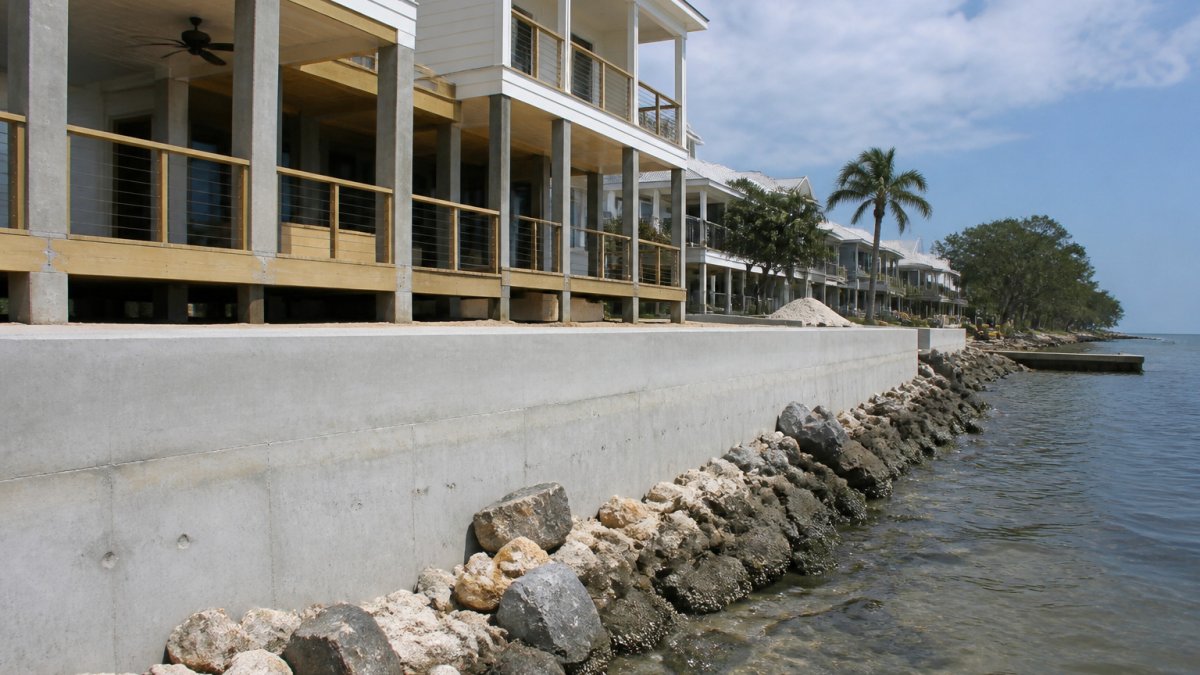
Florida's soil and hydrology are fundamentally different from most of the country, and that difference directly affects structural repair costs. Much of Southwest Florida sits on limestone or clay over limestone. Limestone is soluble, it dissolves slowly in acidic groundwater, creating voids that cause foundation settlement.
Your home's water table depth matters too. If your foundation sits just a few feet above the water table, any excavation work requires dewatering systems to keep the work area dry. Dewatering adds cost and complexity.
Soil compaction and bearing capacity affect repair costs because they determine what type of foundation system will actually support your home long-term. Poor soil means you need deeper or more extensive support systems, which costs more. Unstable soil means you need engineering-driven solutions rather than standard repairs.
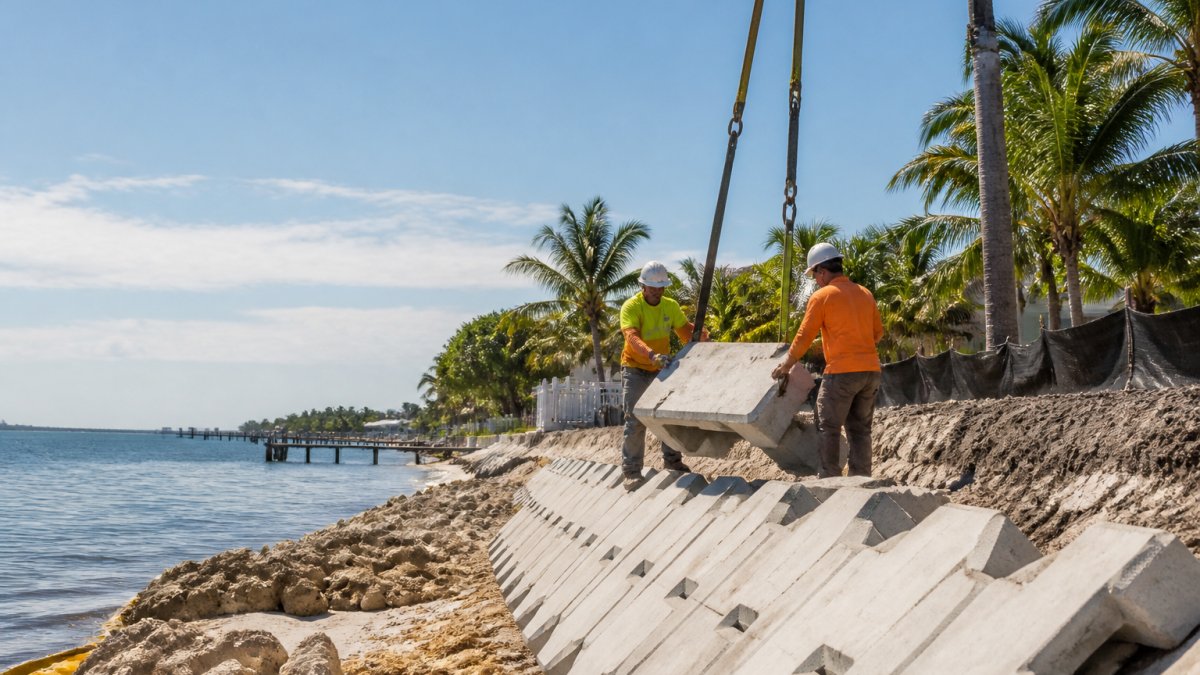
Hurricane damage and flood damage introduce additional complexity. Saltwater exposure corrodes foundation reinforcement. Soil erosion from storm surge undermines foundations. Saturated soil loses bearing capacity. All of these conditions require specialized repair approaches that cost more than standard foundation work.
Structural Engineer Cost in Florida and Why You Need One
A structural engineer assessment isn't optional if you have significant structural damage, it's the foundation of everything that follows. The engineer determines what's actually wrong, what repair methods will actually work, and what your repair will cost.
Many homeowners skip the engineering step to save money upfront. This is false economy. An engineer costs money, but an engineer prevents you from overpaying for unnecessary repairs or underpaying for repairs that won't actually solve the problem.
Ready to move from scope to build? →
Take Off Construction Management includes structural engineers on staff specifically because engineering and construction need to be coordinated. A contractor who works without engineering often uses methods that are cheaper but less durable. Integrated engineering and construction prevents both problems.
An engineer's assessment typically includes site investigation, soil testing if necessary, analysis of the damage pattern, and written recommendations with cost implications for each option. This assessment becomes your roadmap for contractor selection and bid comparison.
Home Structural Inspection Cost and What It Covers
A structural inspection is different from an engineer's assessment. An inspection is a visual evaluation that identifies obvious problems. An assessment goes deeper, it includes testing, analysis, and engineered solutions.
A basic structural inspection typically covers foundation condition, visible cracks, signs of settling, water damage, and structural framing issues. The inspector walks your crawl space or basement, looks for cracks, checks for water intrusion, and documents what they see. This type of inspection costs less than a full engineering assessment but provides less detail.
If the inspection reveals potential problems, you typically need a structural engineer assessment to understand what those problems mean and how to fix them. The inspection is your screening tool. The engineering assessment is your decision-making tool.
Florida Home Repair Permit Requirements and Inspection Timelines
Florida requires permits for most structural repairs. The permit requirement isn't bureaucratic overhead, it's a safety mechanism. Permitted work gets inspected during construction and after completion, which ensures the repair actually meets code and actually solves the problem.
Permitting timelines vary by jurisdiction, but they're often the biggest delay in the repair process. County building departments have backlogs, and standard permit review can take four to eight weeks. This is where Take Off Construction Management's private provider status creates real value, we can expedite plan reviews and inspections. Expedited review typically cuts four to six weeks off the timeline.
Permit requirements also affect cost because permitted work requires engineered drawings, inspection fees, and contractor licensing verification. Unpermitted work might seem cheaper, but it creates liability, voids insurance coverage, and creates problems when you sell your home.
How to Compare Contractor Bids and Protect Your Investment
When you have multiple contractor estimates for structural repair, comparing them requires understanding what each bid actually includes. A low bid might exclude engineering, permitting, or final inspection. A high bid might include work you don't need.
What to Look for in a Contractor Estimate
A solid contractor estimate specifies exactly what work will be performed, what materials will be used, what timeline is realistic, and what permits and inspections are included. Vague estimates, "foundation repair, $X", are red flags because you don't know what you're paying for.
Compare estimates side by side. Does one include engineering and one not? Does one include permitting and one assume you'll handle it? Does one include warranty and one not? These differences explain bid variations more often than contractor efficiency does.
Ask contractors about their crew experience with Florida conditions. A contractor experienced with Southwest Florida's soil and water table issues will bid more accurately than a contractor used to working in different soil types. Experience shows up in realistic timelines and accurate material specifications.
Verify contractor licensing and insurance. Florida requires contractors performing structural work to hold appropriate licenses. Ask for references from recent structural repair projects, not just general construction work. Call those references and ask specifically about whether the work stayed on timeline and budget.
Insurance, Warranties, and Financing Options
Structural repair work should include a warranty. Standard warranties cover materials for one year and workmanship for one year. Some contractors offer extended warranties for an additional cost.
Insurance coverage for structural damage varies. Homeowners insurance typically doesn't cover foundation repair from settling or soil issues, but it often covers damage from specific events like hurricanes or flooding.
Financing options exist for major structural repairs. Some contractors offer payment plans. Banks offer home equity lines of credit. Some states have disaster recovery financing programs for storm-damaged homes.
Structural damage is stressful, and the uncertainty about costs makes it worse. The path forward starts with assessment, getting a structural engineer to tell you exactly what's wrong and what your repair options are.
At Take Off Construction Management, we handle this process end-to-end. Our engineers assess your structural damage, specify the right repair approach, and coordinate with field execution to ensure it's built to withstand Florida's unique environmental challenges.
Frequently Asked Questions
How much do structural repairs typically cost for a Florida home?
Structural repair costs depend on damage severity, repair method, and home size. A professional structural inspection and engineer assessment are essential to get an accurate estimate for your specific situation.
What is the average cost of a structural engineer in Florida?
Structural engineer costs depend on project complexity and site accessibility. Engineers charge by the scope of work: a simple inspection costs less than a full foundation analysis or repair design. Getting a detailed estimate before hiring ensures you understand the engineering investment required.
Does homeowners insurance cover structural repairs in Florida?
Most standard homeowners policies do not cover structural damage from settling, soil movement, or wear. However, damage from covered events like hurricanes, storms, or sudden accidents may be eligible. Review your policy and contact your insurer immediately after discovering damage. Some repairs may qualify for coverage under specific circumstances.
What do I need to know about Florida home repair permits and inspections?
Florida requires permits for most structural repairs, foundation work, and load-bearing wall modifications. The permit process involves plan review, inspection before and after work, and compliance with Florida Building Code standards. Timelines vary by county and project complexity. Working with a private provider who handles permitting can significantly reduce wait times and ensure all inspections pass on schedule.