 ultimate-guide
Preventing Saltwater Corrosion in Coastal Homes: A Complete Guide
Table of Contents
- How Salt Air and Saltwater Cause Corrosion in Coastal Homes
- Best Metals for Coastal Homes: Corrosion-Resistant Material Selection
- Preventing Corrosion on Window Hardware and Glazing
- Protective Coatings and Surface Preparation
- Coastal Home Maintenance Checklist and Inspection Schedule
- Signs of Structural Corrosion in Coastal Homes
- Repair, Replacement, and Corrosion Remediation
- Frequently Asked Questions
Last Updated: October 11, 2026
How Salt Air and Saltwater Cause Corrosion in Coastal Homes
Preventing saltwater corrosion in coastal homes requires understanding the electrochemical process by which salt deposits, moisture, and oxygen combine to break down metal surfaces and compromise structural integrity.
Here's what makes coastal corrosion different. Chlorides in salt spray penetrate protective coatings, settle into crevices, and establish a corrosive electrolyte on metal surfaces.
The severity depends on your exposure zone. Homes directly on the waterfront face salt spray continuously. Homes a quarter-mile inland still experience significant salt air, but with less intensity. Understanding your property's exposure level determines how aggressive your prevention strategy needs to be.
Humidity amplifies the problem. Coastal humidity keeps salt deposits moist, maintaining the electrochemical conditions that drive corrosion. Even on dry days, morning fog and salt-laden air leave residue that reactivates when humidity rises.
Best Metals for Coastal Homes: Corrosion-Resistant Material Selection
Not all metals perform equally in coastal environments. The choice of material directly affects maintenance frequency, repair costs, and how long structural components will last before replacement becomes necessary. Material selection is your first line of defense.
Stainless Steel and Hot-Dip Galvanized Steel
Stainless steel resists corrosion through a passive oxide layer that reforms automatically when scratched or damaged. Grade 316 stainless steel is the industry standard for coastal applications because it contains molybdenum, which enhances resistance to chloride pitting.
Hot-dip galvanized steel offers excellent corrosion resistance at a lower cost than stainless. The zinc coating sacrifices itself to protect the underlying steel, continuing to provide protection even if the coating is scratched. Galvanized fasteners, flashing, and structural connections perform well in most coastal applications. However, galvanized coatings eventually deplete and require replacement, typically within 20-30 years depending on exposure.
Aluminum is lightweight and naturally corrosion-resistant due to its oxide layer, but it corrodes rapidly when exposed to salt spray without proper coating. Bare aluminum should be avoided in high-exposure zones. Anodized aluminum provides additional protection but still requires maintenance and is not as durable as stainless or galvanized steel for fasteners and critical connections.
Material Selection by Exposure Zone
High-exposure zone (waterfront, within 500 feet of saltwater): Use Grade 316 stainless steel for all fasteners, flashing, and structural connections. Copper and bronze are acceptable for decorative elements and hardware, as they develop protective patinas. Avoid carbon steel, aluminum, and galvanized steel in this zone, the corrosion rate is too high to justify the maintenance burden.
Moderate-exposure zone (500 feet to 1 mile inland): Hot-dip galvanized steel is acceptable for most applications. Grade 304 stainless steel can be used for fasteners and critical connections. Aluminum with protective coatings is suitable for trim and non-structural components.
Low-exposure zone (1+ mile inland): Standard galvanized steel and Grade 304 stainless are both appropriate. Aluminum with coating is acceptable. Regular carbon steel requires paint protection but is viable if maintenance schedules are followed.
Preventing Corrosion on Window Hardware and Glazing
Windows and doors are vulnerable because they combine multiple materials, metal frames, glass, sealants, and fasteners, in an environment where salt spray, moisture, and temperature swings concentrate stress. Glazing systems fail when corrosion attacks the hardware holding them in place.
Use stainless steel hardware for all window frames, hinges, locks, and fasteners in coastal homes. Aluminum window frames must have protective coatings and thermal breaks to prevent condensation and salt accumulation inside the frame cavity.
Sealants and gaskets trap moisture and salt deposits. Inspect and replace weatherstripping and sealants annually. Use marine-grade silicone sealant rated for saltwater exposure, not standard caulk.
Install weep holes and drainage channels in the window frame to allow salt-laden water to exit rather than accumulate. Many window failures occur because water and salt deposits pool inside the frame, accelerating corrosion of the hardware and fasteners. Verify that weep holes are not blocked by debris or paint.
Protective Coatings and Surface Preparation
Protective coatings are your active barrier against salt spray and moisture. The coating's effectiveness depends entirely on surface preparation, applying paint over salt deposits, rust, or mill scale is like building on sand. The coating will fail within months.
Surface preparation requires removing all rust, salt deposits, mill scale, and old coating. For structural steel, use abrasive blasting (sandblasting or grit blasting) to achieve SSPC-SP6 (commercial blast cleaning) or SSPC-SP10 (near-white blast cleaning) standards. For smaller components, wire brushing and chemical stripping are acceptable if done thoroughly.
Use corrosion-resistant paint systems rated for saltwater exposure. Two-part epoxy primers followed by polyurethane topcoats provide excellent protection and durability. Apply primers within 16 hours of surface preparation to prevent flash rusting.
For galvanized steel, use a zinc-rich primer designed to bond to the zinc surface, followed by polyurethane or polyester topcoat. Standard primers do not adhere well to galvanized surfaces and will fail prematurely.
Coastal Home Maintenance Checklist and Inspection Schedule
Preventing saltwater corrosion requires consistent maintenance on a defined schedule. Reactive maintenance, waiting until corrosion is visible, is far more expensive than preventive maintenance. The goal is to remove salt deposits before they initiate corrosion and catch early corrosion before it compromises structural integrity.
Monthly and Seasonal Tasks
Monthly: Inspect high-exposure areas for salt buildup. Use a soft brush and fresh water to rinse metal surfaces, fasteners, and hardware. Pay attention to crevices, joints, and areas where water pools. Remove any visible salt deposits, they are active corrosion sites.
After storms: Saltwater spray intensity increases during and after coastal storms. Inspect all exterior metal components, flashing, fasteners, and hardware within 48 hours. Rinse with fresh water to remove salt deposits.
Quarterly (every 3 months): Inspect window hardware, door frames, and fasteners for early signs of corrosion. Check sealants and gaskets for deterioration. Verify that weep holes and drainage channels are clear. Inspect HVAC units, electrical conduit, and other exterior equipment for salt accumulation.
Annually (before winter): Conduct a comprehensive inspection of all exterior metal components. Document the condition with photos for comparison year-to-year. Check the integrity of protective coatings, look for chalking, peeling, or blistering that indicates coating failure.
Annual Professional Inspection
Schedule a professional structural inspection annually if your home is in a high-exposure zone, or every two years if it's in a moderate-exposure zone. A structural engineer will assess the condition of critical components, identify early corrosion that may not be visible to homeowners, and recommend targeted repairs before minor corrosion becomes a structural problem. Our integrated team moves from assessment to repair without coordination gaps, ensuring work is completed to withstand Florida's unique environmental challenges.
Ready to move from scope to build? →
Signs of Structural Corrosion in Coastal Homes
Early detection is critical. Corrosion that starts as surface pitting can penetrate structural members within months if left unaddressed. Know what to look for and act quickly when you see warning signs.
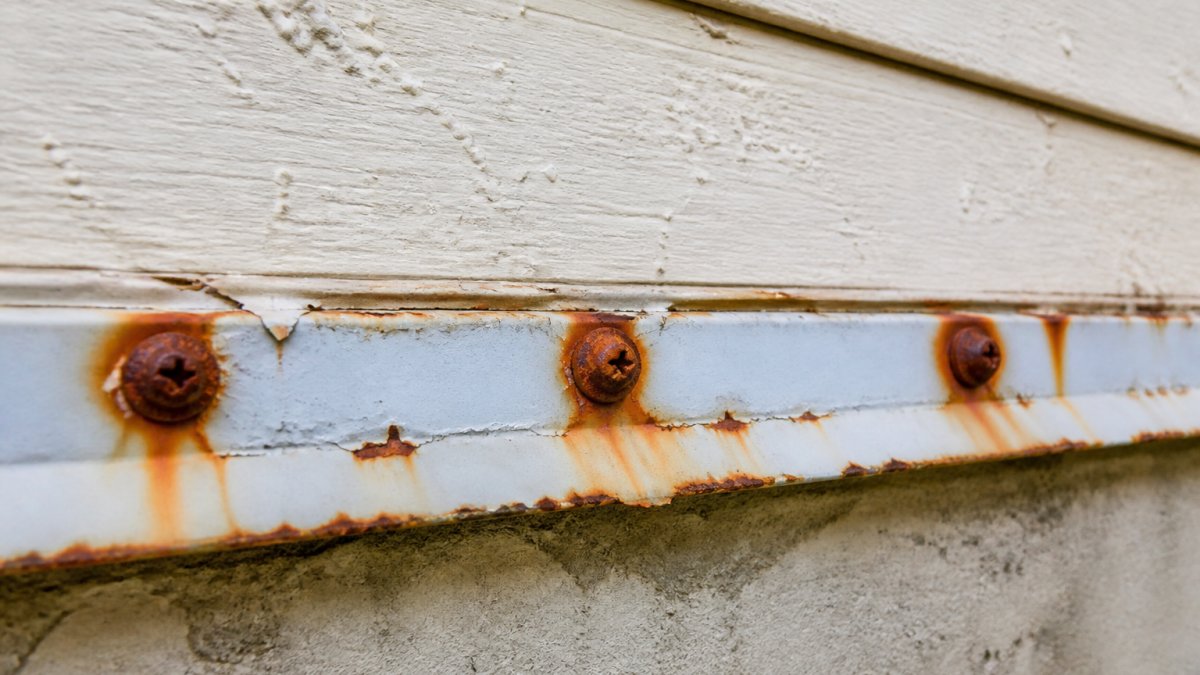
Early Warning Signs by Component
Metal fasteners and hardware: Pitting (small holes in the surface), white or orange rust stains, and loss of fastener tension are early signs.
Structural steel and connections: Rust stains on surfaces, flaking paint, and visible pitting indicate active corrosion.
Window frames and glazing hardware: Corrosion around fasteners, discoloration of the frame material, and difficulty operating windows or doors suggest corrosion of the hardware.
Exterior siding and trim: Salt stains, white powdery deposits (salt efflorescence), and corrosion of fasteners holding panels in place are visible indicators. If metal trim is corroding, fasteners underneath are likely corroding as well.
HVAC units and mechanical equipment: Corrosion of the unit casing, refrigerant line fittings, and electrical connections reduces efficiency and increases failure risk.
When to Call a Structural Engineer
If you observe corrosion that affects fasteners in primary load paths (connections that support the roof, walls, or floors), contact a structural engineer immediately. Corroded fasteners lose tension and shear capacity, potentially compromising the entire structure. Do not attempt to assess the severity yourself, a professional evaluation is the only way to determine whether repairs are urgent or can be scheduled.
If you see corrosion of structural steel members themselves (beams, columns, bracing), have it evaluated by a structural engineer within two weeks. Measure the extent with photos and note the location. The engineer will determine whether the corrosion has reduced section thickness enough to affect load capacity.
If corrosion is visible in multiple locations or has progressed rapidly (significant change in appearance within a few months), the underlying protection strategy is failing. This indicates that coatings, sealants, or material selection is inadequate for your exposure zone and needs to be reassessed.
Repair, Replacement, and Corrosion Remediation
Corrosion repair depends on severity. Minor surface corrosion can be cleaned and recoated. Advanced corrosion requires component replacement.
For surface corrosion on fasteners and hardware, remove the corroded component, clean it with abrasive blasting or wire brushing, apply a corrosion-inhibiting primer, and reinstall with fresh coating.
For corrosion of structural steel members, the repair depends on how much thickness has been lost.
For corroded connections and fasteners in primary load paths, replacement is mandatory.
Sealant and gasket failures require immediate attention. Replace weatherstripping, caulking, and gaskets with marine-grade materials rated for saltwater exposure.
For HVAC and mechanical equipment, corrosion of the casing or electrical connections often signals that the unit is nearing end of life.
Preventing saltwater corrosion in coastal homes is an ongoing process that combines material selection, protective coatings, and consistent maintenance.
Take Off Construction Management specializes in coastal resilience projects that address corrosion at the root.
Frequently Asked Questions
How often should you rinse a coastal home to remove salt buildup?
Rinse salt-exposed areas monthly during dry weather, or every two weeks if your home is within 500 feet of the ocean. Use fresh water to remove salt spray and chloride deposits from exterior surfaces, metal hardware, and glazing. After storms or high-wind events, increase frequency. This regular freshwater rinse prevents salt accumulation that accelerates corrosion and extends the life of protective coatings.
What metals are best for homes near saltwater?
Hot-dip galvanized steel and stainless steel (grades 304 or 316) offer the strongest resistance to saltwater corrosion. Galvanized steel provides a zinc barrier that sacrifices itself before underlying metal corrodes. Stainless steel resists both salt spray and pitting corrosion. Avoid plain carbon steel, aluminum alloys below 5000-series, and untreated copper in high-exposure zones. For fasteners and connectors, use marine-grade stainless or galvanized options rated for coastal environments.
How can you protect window hardware from saltwater corrosion?
Install stainless steel or hot-dip galvanized frames, hinges, and fasteners from the start. Apply corrosion-resistant paint or epoxy coatings to any exposed metal. Rinse window hardware monthly with fresh water to remove salt deposits. Seal gaps around frames with marine-grade sealants to prevent salt spray from reaching metal substrates. Inspect hardware quarterly for early signs of pitting or rust, and replace corroded fasteners immediately before corrosion spreads to surrounding materials.
What are the early signs of corrosion in a coastal home?
Watch for rust stains on siding or around fasteners, white powdery deposits (salt buildup) on metal surfaces, pitting or small holes in metal components, discoloration of caulk or sealants, and difficulty opening windows or doors due to corrosion-induced swelling. Check HVAC units, metal roof flashings, and exterior metal railings first, as these corrode fastest. Early detection allows you to clean, repair, or replace components before structural damage occurs.
Does salt air damage concrete and reinforcing steel?
Yes. Salt air and saltwater penetrate concrete and attack reinforcing steel inside, causing rust that expands and cracks the concrete from within. Chlorides from salt spray accelerate this process significantly. Protect concrete with penetrating sealers or epoxy coatings, especially on driveways, patios, and seawalls. Ensure proper drainage so saltwater doesn't pool on concrete surfaces. Have a structural engineer inspect concrete for signs of rebar corrosion if your home is within 1,000 feet of the ocean.
How do you prevent salt air from corroding metal around a home?
Combine material selection, protective coatings, and maintenance. Use stainless steel or galvanized metals for all exposed fasteners, hardware, and structural components. Apply marine-grade corrosion-resistant paint or epoxy coatings to metal surfaces. Rinse salt deposits monthly with fresh water. Inspect quarterly and replace any corroded fasteners or flashing immediately. Maintain sealants and caulks to prevent moisture and salt from reaching metal substrates. These layered approaches create a protective barrier against saltwater corrosion.
When should a homeowner hire an engineer to assess coastal corrosion?
Contact a structural engineer if you notice rust stains on siding, cracks in concrete or stucco, difficulty opening windows or doors, visible pitting in metal fasteners, or water intrusion around corroded flashing. Also hire an engineer for major renovations, before purchasing a waterfront property, or if your home is within 500 feet of the ocean and has not had a professional corrosion assessment in five years. Early professional evaluation prevents costly structural repairs.