 how-to
Hiring Integrated Engineering Firms: A Practical Guide
Table of Contents
- What Integrated Engineering and Construction Actually Means
- The Benefits of Design-Build Construction for Your Project
- Single Point of Accountability in Construction: Why It Matters
- How to Evaluate Construction Engineering Firms
- The Integrated Workflow: From Assessment to Build
- Red Flags and Common Mistakes When Hiring
- Making Your Final Decision
- Frequently Asked Questions
Last Updated: September 25, 2026
What Integrated Engineering and Construction Actually Means
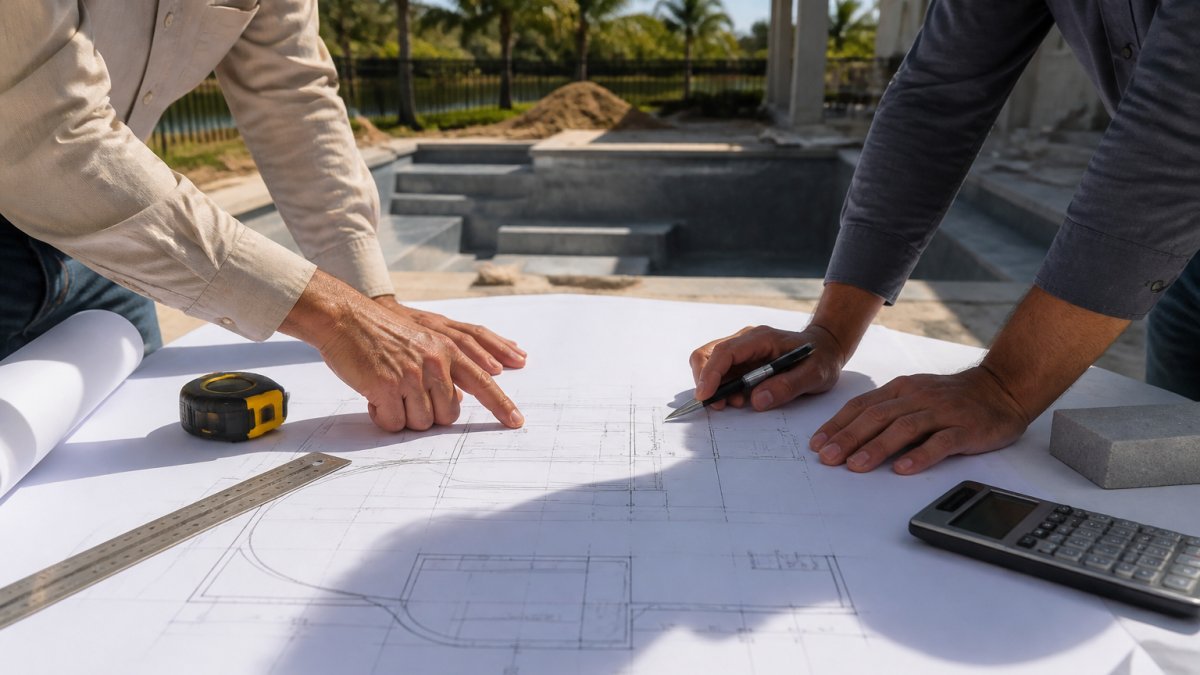
Hiring integrated engineering firms that combine design and building into a single coordinated process under one firm's accountability is key to project success. Instead of hiring separate engineers and contractors who coordinate through intermediaries, you get one team responsible for both the blueprint and the build.
This matters because most construction projects split these responsibilities. An architect designs, a general contractor builds, and communication happens through emails and meetings. Gaps emerge. Design assumptions don't match field conditions. Change orders multiply. Timelines slip.
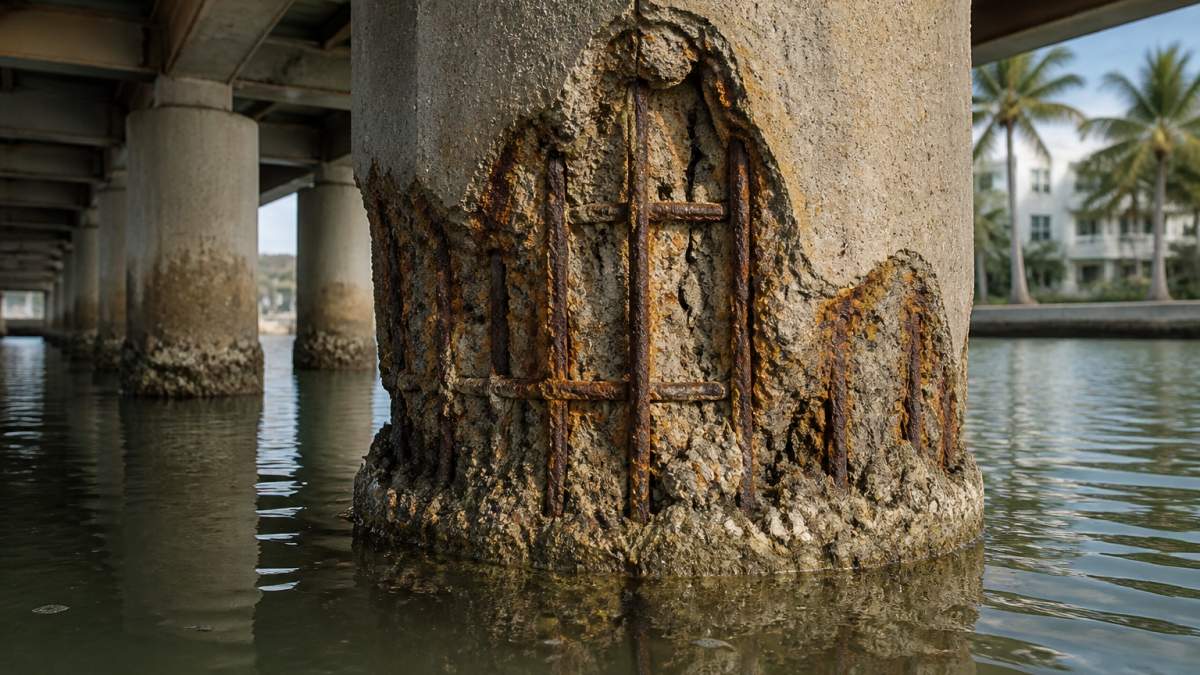
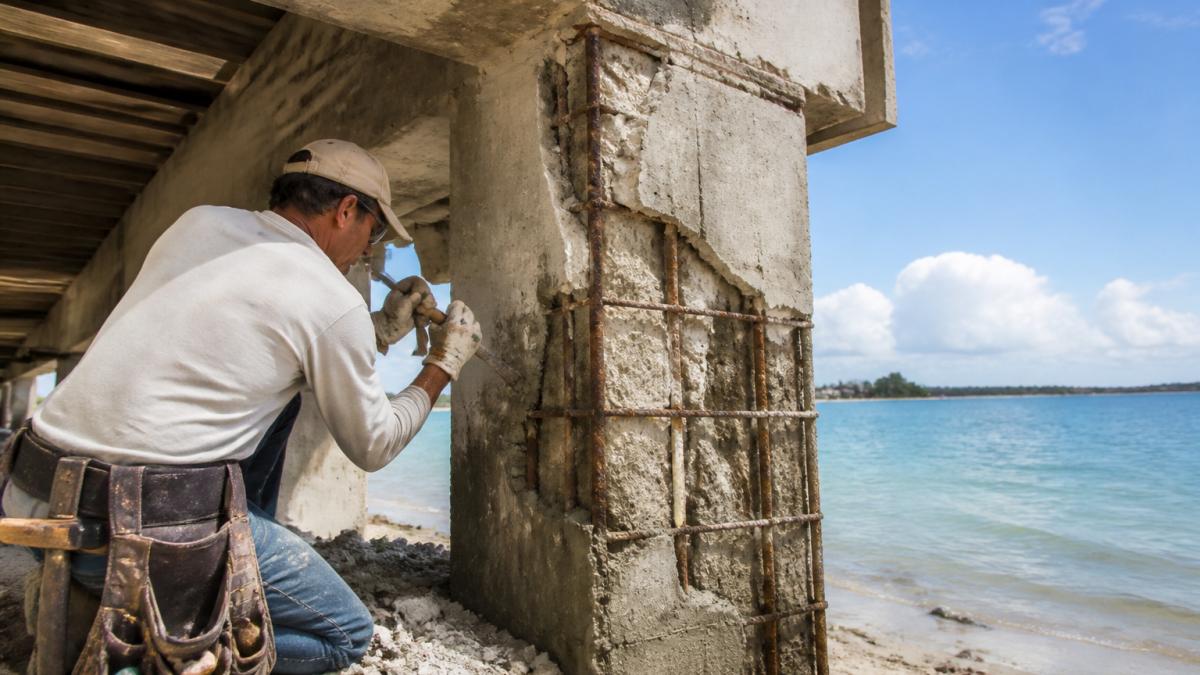
With integrated engineering and construction, the same organization that stamps the drawings also swings the hammer. They've already solved the problems they're about to encounter because they designed with those constraints in mind. For complex projects in challenging environments, like waterfront properties or storm-damaged homes in Florida, this alignment prevents costly rework.
Take Off Construction Management operates this way across Southwest Florida. With two engineers on staff, we handle structural assessments, stamped drawings, and field execution without handoffs. The single point of accountability means one firm owns the outcome, not a chain of vendors pointing at each other when something goes wrong.
The Benefits of Design-Build Construction for Your Project
Design-build delivery, the formal name for the integrated approach, reduces delays and improves outcomes on complex work. Here's why it works.
Faster permitting and approvals. When one firm holds the engineering license and the construction license, the review process simplifies. No back-and-forth between separate entities. Private providers like Take Off Construction Management can often expedite plan reviews, cutting weeks off the typical county timeline.
Fewer coordination failures. Separate firms create handoff risk. The engineer finishes drawings and hands them to the contractor, who then discovers field conditions the design didn't anticipate. With integrated firms, the same team that designed the solution is there to implement it. They catch conflicts before they become expensive problems.
Better cost control. Change orders happen when design and reality don't align. Integrated teams build cost estimates with field knowledge baked in. They've already accounted for soil conditions, water tables, existing structures, and local building code quirks. Fewer surprises mean more predictable budgets.
Resilience by design. Florida construction faces unique pressures: hurricane winds, saltwater exposure, shifting soil, flooding. An integrated firm designs with these realities in mind, then builds to those specifications without compromise. The engineering and construction expertise inform each other throughout the project.
For homeowners facing storm damage or complex repairs, the benefits of hiring integrated engineering firms compress timelines and reduce the coordination headaches that typically extend projects by months. Streamlining these workflows prevents the fragmented communication that often arises when hiring specialized subcontractors for complex excavation.
Single Point of Accountability in Construction: Why It Matters
A single point of accountability means one organization answers for the entire outcome. No finger-pointing between the engineer and the contractor. No disputes about whose error caused the problem.
In traditional construction, this accountability is split. The engineer designs. The contractor builds. If the roof leaks, was it a design flaw or a construction defect? Both parties have incentive to blame the other. Litigation often follows.
With integrated firms, the answer is clear: one entity is responsible. That firm has already aligned its engineering and construction teams, so they've solved these disputes internally. The client gets a straightforward warranty and a single contact for any issues.
This matters most for mission-critical projects. Waterfront seawalls, structural repairs, pools with complex plumbing, these aren't forgiving. A mistake isn't just expensive; it can be dangerous. Single accountability means the firm can't hide behind compartmentalization. They own the result completely.
How to Evaluate Construction Engineering Firms
Evaluating firms requires looking beyond credentials to how they actually work. Here's what matters.
Ask about their engineering staff. Not all firms have engineers on payroll. Some outsource design to consultants. When you hire a firm with in-house engineers, you get direct accountability and faster decision-making.
Understand their project delivery model. Do they do design-build? Design-bid-build? Integrated project delivery? Ask them to explain their workflow for a project like yours. A firm that specializes in your project type will have refined processes. A generalist may take longer to solve problems specific to your situation.
Check their permitting track record. Ask how long recent projects took from permit submission to approval. Compare that to county averages. A firm with expedited permitting will save you weeks. This is especially valuable for urgent repairs or time-sensitive projects.
Verify their license and insurance. In Florida, general contractors need a CGC license. Engineers need PE (Professional Engineer) licensure. Verify both on the Florida Department of Business and Professional Regulation website. Check that insurance covers the scope of work you need.
Request references from similar projects. Don't just get names; contact those clients directly. Ask about budget accuracy, timeline adherence, and how the firm handled problems. References reveal how a firm actually performs, not how they market themselves.
Vetting Criteria for Integrated Firms
When evaluating integrated firms specifically, focus on these criteria:
Do they maintain both engineering and construction expertise in-house? Some firms hire engineers as consultants. That's not integration, that's outsourcing. True integrated firms have engineers and construction staff working together daily, sharing knowledge and solving problems collaboratively.
How do they handle design-build contracts? Integrated firms should be comfortable with design-build delivery where they assume risk for both design and construction. Ask about their contract terms. Do they offer fixed-price options? Do they manage scope creep? Their willingness to take on integrated risk shows confidence in their process.
What's their approach to Florida-specific challenges? If you're in Southwest Florida, your firm needs experience with coastal construction, hurricane-resistant design, marine environments, and flood mitigation. Ask about projects they've completed in similar conditions. A firm that specializes in your climate will anticipate problems others miss.
Can they expedite permitting? Private providers can accelerate reviews. Ask specifically how they reduce permitting timelines. If they claim significant speed advantages, ask for documentation from recent projects showing the time savings.
Skill Gap Analysis: What Separates Strong Firms from Average Ones
Not all integrated firms execute at the same level. Here's how to identify the strong ones.
Technical depth in your project type. A firm that builds pools shouldn't be your choice for marine construction. A general contractor who dabbles in seawalls isn't the same as a firm that specializes in them. Ask about their recent projects in your specific area. How many? How complex? What were the outcomes?
Problem-solving capability. Integrated firms solve problems faster because they don't need to loop in external consultants. When a field condition doesn't match the design, the engineer and superintendent are in the same meeting. Ask a potential firm: "When you discovered [specific problem type] on a recent project, how did you handle it?" Their answer reveals whether they solve in-house or rely on external consultants.
Communication and transparency. Strong firms communicate proactively. They explain decisions, flag risks early, and keep clients informed.
The Integrated Workflow: From Assessment to Build
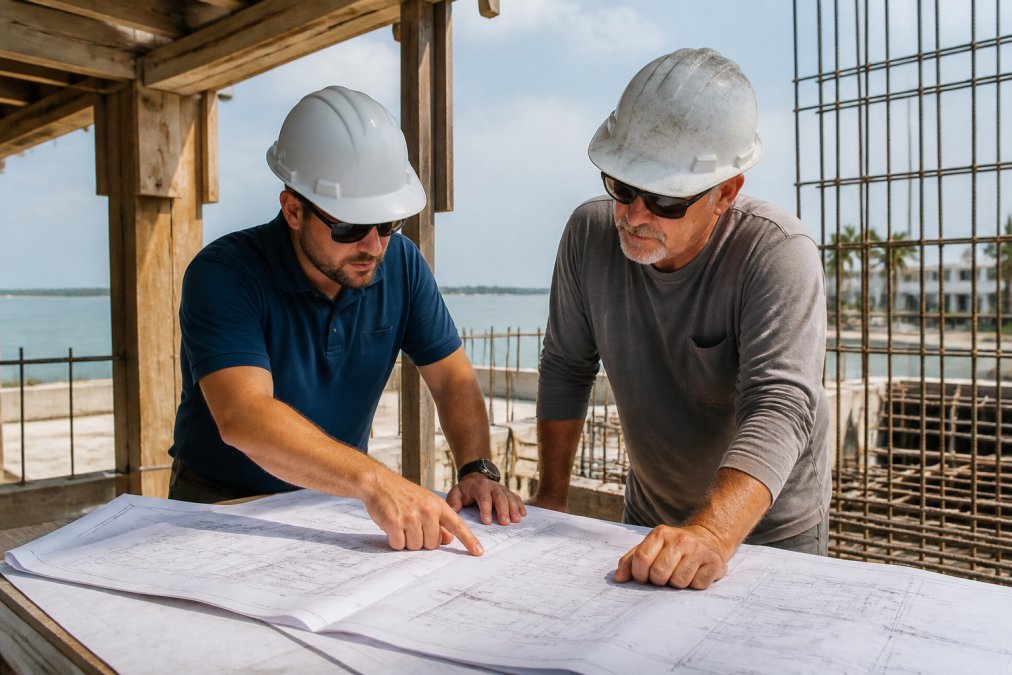
The integrated workflow differs fundamentally from traditional construction. Understanding it helps you evaluate whether a firm can deliver for your project.
Red Flags and Common Mistakes When Hiring
Watch for these warning signs when evaluating firms.
They promise unrealistic timelines without understanding your project. A firm that quotes a timeline before visiting your property or reviewing existing conditions is guessing. Integrated firms know that timelines depend on site conditions, permitting complexity, and scope clarity. Realistic firms ask questions first.
Making Your Final Decision
After evaluating firms, you're ready to decide. Here's how to think about it.
Frequently Asked Questions
What is an integrated engineering and construction firm?
An integrated engineering and construction firm combines engineering design, project assessment, and field construction under one organization. Rather than hiring a separate engineer and general contractor, you work with a single entity that handles engineering assessments, produces stamped drawings, and executes the build. This eliminates coordination gaps between disciplines and creates accountability at every phase. For complex projects like structural repairs, marine construction, or coastal resilience work, this approach reduces errors and accelerates timelines because decisions flow through one technical team.
What are the main benefits of design-build construction?
Design-build construction integrates planning and execution, which reduces project delays, minimizes change orders, and improves cost predictability. Because the same team designs and builds, they catch constructability issues during design rather than on site. For homeowners, this means fewer surprises, faster permitting (especially with private providers), and projects built with a clear understanding of site conditions. Coastal projects and structural repairs benefit most because integrated teams understand local soil, water, and climate challenges from the engineering phase forward.
How does single-point accountability improve project outcomes?
Single-point accountability means one firm is responsible for both the engineering and construction quality. There's no finger-pointing between architect, engineer, and contractor when issues arise. The integrated firm must stand behind both the design and the execution, which creates strong incentive alignment. For homeowners, this clarity simplifies communication, speeds problem-solving, and ensures the final product matches the engineering intent. This is especially valuable in Florida, where structural resilience and environmental compliance are non-negotiable.
What should I look for when evaluating a construction engineering firm?
Assess whether the firm has licensed engineers on staff (not just subcontracted), experience with your specific project type, and a track record managing permitting in your jurisdiction. Ask how they handle the workflow from assessment through stamped drawings to field supervision. Verify their professional licenses, insurance, and references from similar projects. For coastal or structural work, confirm they understand local environmental regulations and resilience standards. A strong firm will clearly explain their integrated process and answer technical questions without hesitation.
The difference between a project that runs smoothly and one that becomes a nightmare often comes down to how well engineering and construction are coordinated. Integrated firms eliminate that coordination risk. Ready to move from scope to build with a firm that owns the entire outcome? Contact Take Off Construction Management for a project evaluation and get a clear path forward.