 listicle
7 Signs of Structural Damage After a Hurricane
Last Updated: November 9, 2026
Quick Summary
The clearest signs of structural damage after a hurricane are a roofline that sags, bows or no longer looks straight, plus missing or lifted shingles. Other warning signs include diagonal cracks above doors and windows, doors that stick, water stains on ceilings, and gaps where trim pulls away from walls.
- Walk around the outside and check whether the roof edges dip, bow or look uneven.
- Compare the roofline with a pre-storm photo if you have one.
- Look for daylight or dark stains in the attic, which mean water is getting through.
- Photograph cracks and note whether they are widening, since this can point to shifting loads.
- Have a licensed structural engineer inspect the home before making any repairs.
Table of Contents
- Sign 1: Visible Roofline Sagging or Changes in Roof Shape
- Signs 2 and 3: Missing Shingles and Cracks in Drywall, Ceilings, and Foundations
- Signs 4 to 7: Sticking Doors, Sagging Floors, Water Stains, and Separated Trim
- When to Call a Structural Engineer After a Hurricane
- Frequently Asked Questions
Sign 1: Visible Roofline Sagging or Changes in Roof Shape
A roofline that dips, bows or no longer looks straight is one of the clearest signs of structural damage after a hurricane. Wind uplift and water saturation can weaken rafters and the roof deck, so a roof that once looked flat may now sag between supports. Walk around the outside of your home and look along the edges of the roof from the ground. Compare what you see with a photo from before the storm if you have one.
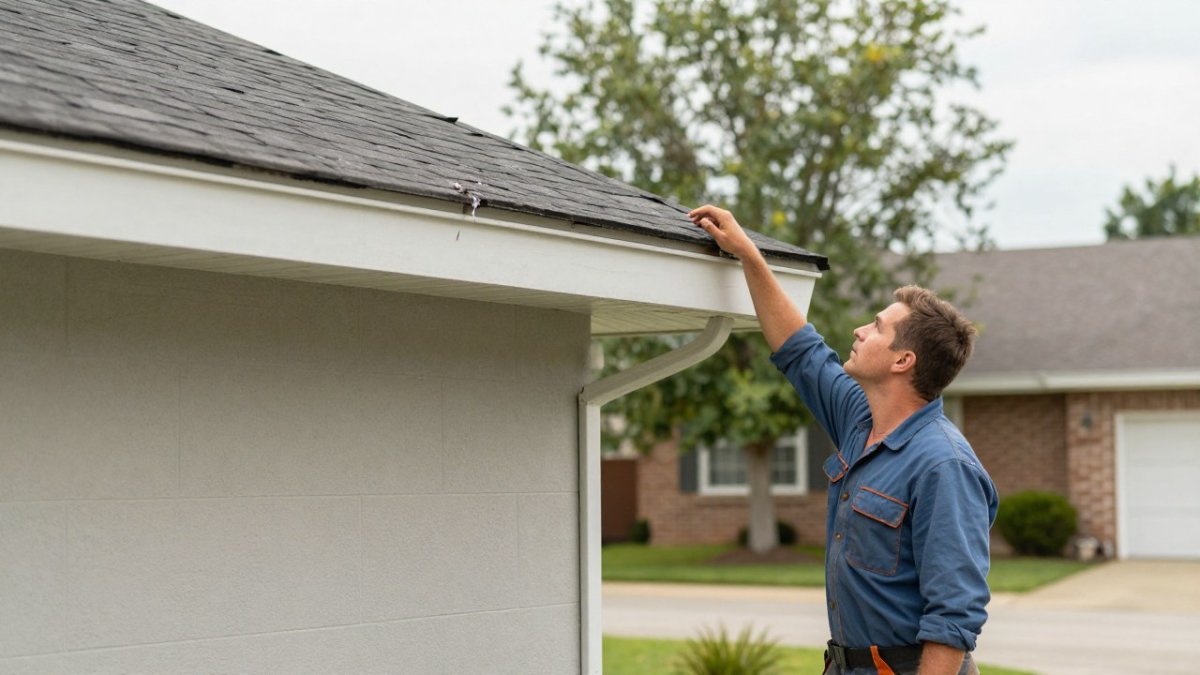
The table below summarises how to spot the first visible signs of structural damage after a hurricane.
| Sign | Where to look | Next step |
|---|---|---|
| Roofline sagging or bowing | Edges of the roof, viewed from the ground | Compare with a pre-storm photo |
| Roof shape changes | Overall roof outline | Note any dips or unevenness |
| Missing or lifted shingles | Roof surface, flashing | Check for gaps and displaced shingles |
| Daylight or dark stains in attic | Attic interior | Look for water getting through the roof |
Signs 2 and 3: Missing Shingles and Cracks in Drywall, Ceilings, and Foundations
Missing, lifted or torn shingles mean wind has already broken the roof's protective layer, and water can now reach the decking and attic insulation. Check for gaps, bent flashing and displaced shingles, and look for daylight or dark stains in the attic.
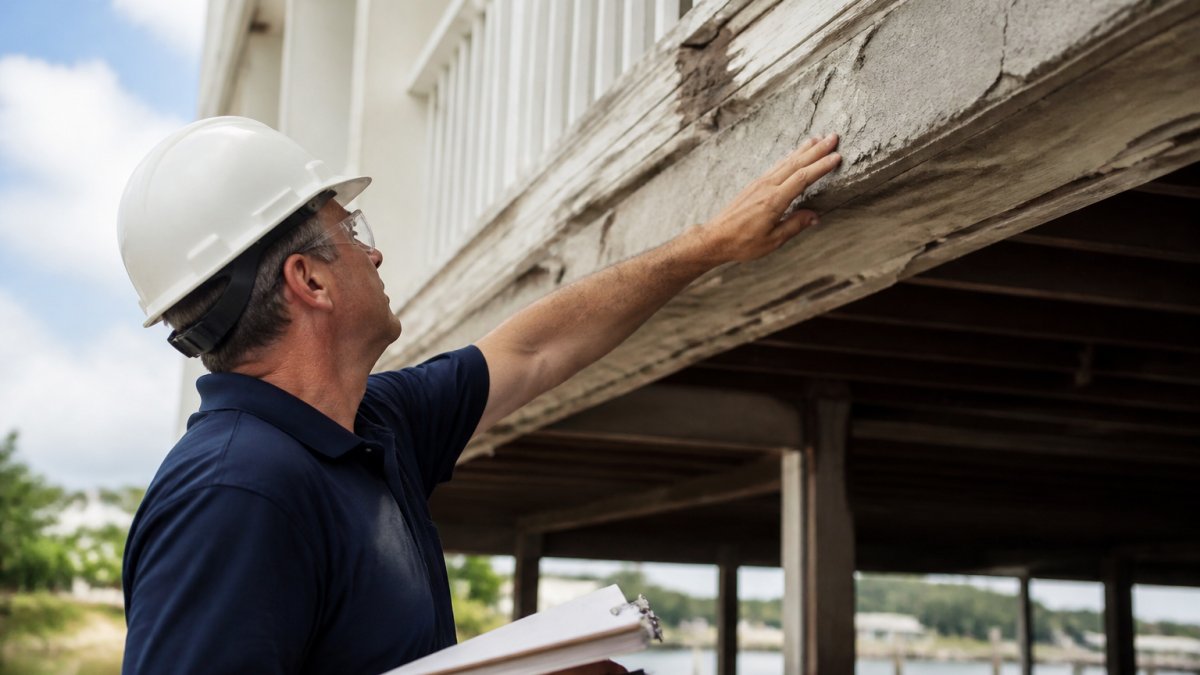
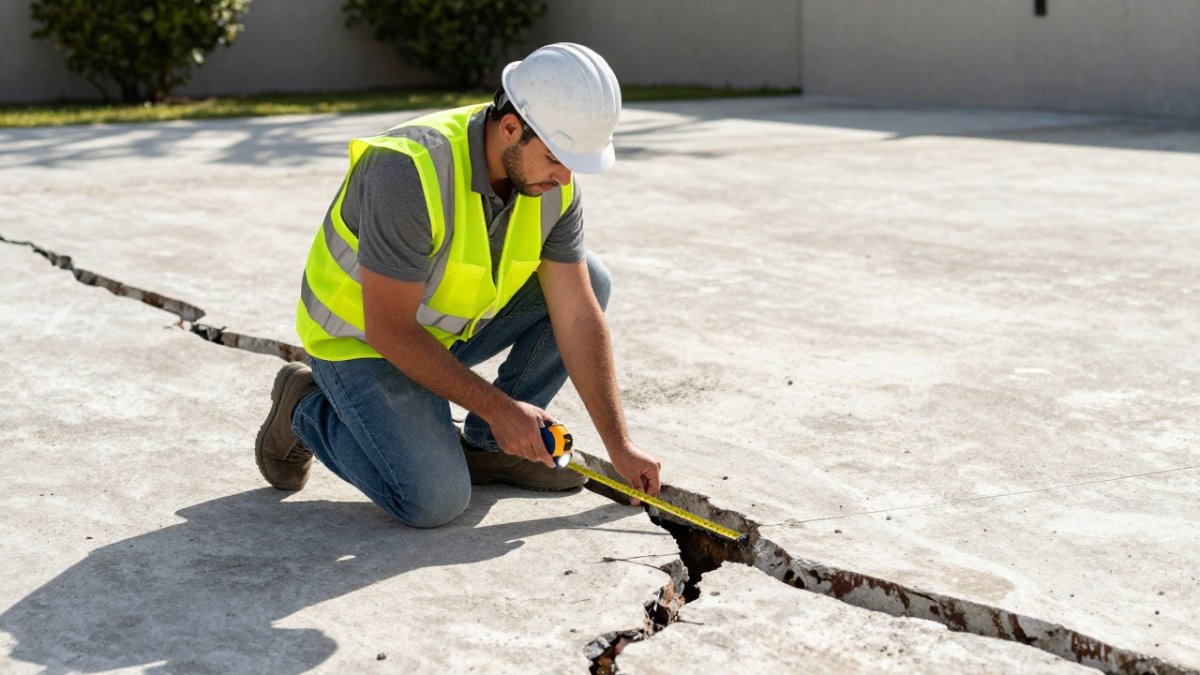
Cracks are the third sign to check. Diagonal cracks above doors and windows, cracks that are widening, and cracks in the foundation can all point to shifting loads. Note their size and direction, then photograph them.
Signs 4 to 7: Sticking Doors, Sagging Floors, Water Stains, and Separated Trim
Doors and windows that stick, jam or no longer close properly often mean the frame has moved. A floor that feels soft or sags in one spot may indicate damaged framing beneath it.
Water stains on ceilings and walls, wet drywall and bubbling paint show water intrusion that may still be spreading inside the wall. Gaps where trim pulls away from walls or floors can signal that the structure has shifted. Our step-by-step guide to structural repair for coastal homes explains how to address this kind of damage.
When to Call a Structural Engineer After a Hurricane
If you see any of these signs, have a licensed structural engineer inspect the home before making repairs. Our structural repair cost guide for Florida homes lays out what typical repairs run before you commit to any work. Take photos and keep records of all damage for your insurance claim. Our storm damage restoration steps for Florida walk you through what to do once the engineer has finished. Take Off Construction Management provides engineering-led construction services across Southwest Florida. For current availability and a quote, visit the company website.
Frequently Asked Questions
How can I tell if my house has structural damage after a hurricane?
Start with a walk-around from the outside, looking at the roofline for sagging, missing or lifted shingles, and separation at soffits and fascia. Inside, check for diagonal cracks in drywall, ceilings that bow or sag, and doors and windows that stick or no longer close squarely. Water stains and soft spots are signs of water intrusion that may be hidden. If you find any of these signs, or if the home has shifted, document everything with photos and have a licensed professional evaluate it before you rely on the structure.
When should I call a structural engineer after a hurricane?
Call a structural engineer as soon as you notice any sign of structural damage, such as a roofline that has changed shape, widening cracks, a sloping floor, or a ceiling that is sagging. An engineer can determine whether the load-bearing walls, roof framing, and foundation are safe to occupy and can provide the documentation insurers often ask for. Waiting can allow hidden damage to worsen, so schedule the inspection early rather than after repairs have started.
Is it safe to stay in a house with cracks after a hurricane?
Not until a qualified professional has assessed it. Diagonal cracks in walls, widening cracks in the foundation, or doors that no longer latch can indicate that load-bearing elements have been compromised. If a ceiling or floor feels soft or spongy, or you smell mold or see pooled water, leave the area and get an inspection before returning to normal use. Your safety comes first, and a professional assessment is the only reliable way to confirm the structure is sound.