 Listicle
Does Your Home Need a Structural Engineer?
Last Updated: November 8, 2026
Quick Summary
Call a structural engineer when damage is progressive, doors and windows stop operating, or floors and rooflines visibly deflect. Warning signs include stair-step cracks in masonry wider than a quarter inch, horizontal foundation cracks, bowing walls, and cracks that reopen after patching. Age matters less than pattern, so a crack that grew since last season is active movement an engineer needs to see.
- Hairline cracks under an eighth inch that stay stable a year or more can be monitored and rechecked in six months.
- Cracks between an eighth and a quarter inch, sticking doors, and minor floor slope warrant an assessment within weeks.
- Horizontal foundation cracks, bowing walls, and a sagging roof mean limiting use of the area and getting an engineer on site.
- A structural engineer's assessment typically produces a written report covering what moved, why, and repair options.
- A home inspector documents visible conditions, while a structural engineer diagnoses causes and can stamp drawings for permitting.
Table of Contents
- Warning Signs Your Home Needs a Structural Engineer
- Signs of Structural Damage in a House You Should Never Ignore
- What a Structural Engineer Home Inspection Covers
- Frequently Asked Questions
Warning Signs Your Home Needs a Structural Engineer
A structural engineer is a licensed professional who evaluates whether a building's frame, foundation, and load-bearing elements can safely carry their loads. Some cracks are cosmetic, while others can mean a wall is losing load capacity.
Call a structural engineer when damage is progressive, doors and windows stop operating, or floors and rooflines visibly deflect.
- Stair-step cracks in masonry wider than a quarter inch
- Horizontal cracks in a foundation or block wall
- Doors and windows that stick or won't latch seasonally
- Sloping or bouncy floors that were once level
- A sagging roofline or dipping ridge
- Bowing or leaning walls
- Water intrusion that returns after repairs
- Cracks that reopen after patching
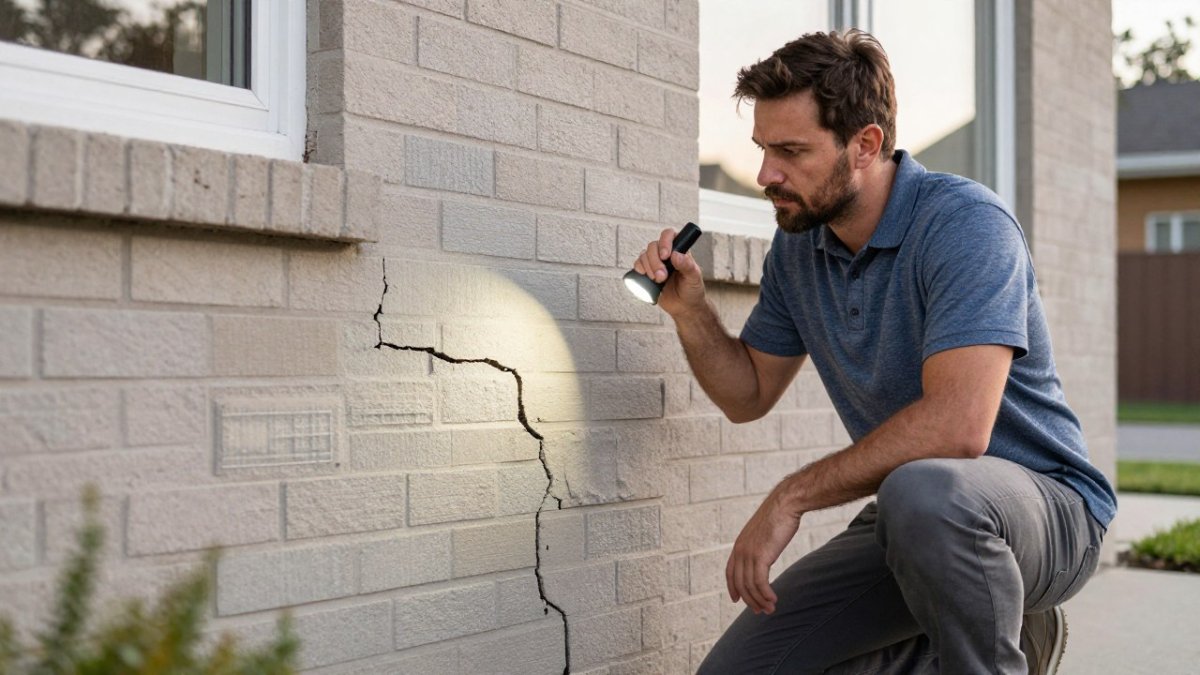
Age matters less than pattern. A hairline crack unchanged for years is usually settled shrinkage; a crack that grew since last season is active movement an engineer needs to see.
Signs of Structural Damage in a House You Should Never Ignore
The signs of structural damage in a house that demand fast action are the ones that affect safety, not appearance. According to the American Society of Civil Engineers, structural evaluation starts with identifying whether a defect is strength-related or serviceability-related, and the two carry very different urgency.
Sort what you see into three levels:
- Monitor: hairline cracks under an eighth inch, stable a year or more. Photograph with a dated reference and recheck in six months.
- Investigate soon: cracks between an eighth and a quarter inch, sticking doors, minor floor slope. Book an assessment within weeks.
- Act now: horizontal foundation cracks, bowing walls, a sagging roof, or any crack that widened in weeks. Limit use of the area and get an engineer on site.
Coastal and waterfront homes add soil movement and salt-driven deterioration, which is why exterior grade and drainage are worth checking early. Our guide to structural repair costs for Florida homes breaks down the variables, and owners of coastal properties get a path built around salt, storm surge, and seawall condition.
Sort what you see into three levels of urgency before you call anyone.
| Level | What you see | What to do |
|---|---|---|
| Monitor | Hairline cracks under an eighth inch, stable a year or more | Photograph with a dated reference and recheck in six months |
| Investigate soon | Cracks between an eighth and a quarter inch, sticking doors, minor floor slope | Book an assessment within weeks |
| Act now | Horizontal foundation cracks, bowing walls, sagging roof, crack widened in weeks | Limit use of the area and get an engineer on site |
What a Structural Engineer Home Inspection Covers
A structural engineer home inspection is a focused evaluation of how a house carries load, not a general property check. The engineer measures cracks, checks level and plumb, inspects the foundation and framing, and reviews drainage and grading that may be driving soil movement. The International Code Council publishes the model codes engineers reference when judging whether a defect is a code concern or a maintenance item.
A structural engineer's assessment typically results in a written report covering what moved, why, whether it is active, and repair options. A home inspector documents visible conditions; a structural engineer diagnoses causes and can stamp drawings for permitting. Our guide to hiring engineering firms for home repairs covers contracts and scope, and this overview of the benefits of hiring private building inspectors explains how private review speeds the process.
The cost of a residential structural engineer depends on square footage, accessibility, and whether destructive investigation is needed. Request a quote from Take Off Construction Management for current pricing.
If cracks keep growing or a floor no longer feels solid, guessing is the expensive path. Take Off Construction Management keeps two engineers on staff, so assessment, stamped drawings, and field execution sit under one point of accountability. Our private provider status is intended to shorten plan review and inspection timelines. Get started with Take Off Construction Management and turn a worrying symptom into a clear, engineered repair plan.
Frequently Asked Questions
How much does a structural engineer cost to look at a home?
Inspection fees vary by property size, access, and scope, and Take Off Construction Management does not publish fixed rates. A structural engineer home inspection typically covers a visual walkthrough, crack mapping, and a written report with recommendations. Because pricing depends on the number of structures, waterfront conditions, and whether stamped drawings are needed, request a written scope and quote from Take Off Construction Management before work begins.
When should you call a structural engineer about foundation cracks?
Call when a crack is wider than a quarter inch, runs horizontally across a foundation wall, forms a stair-step pattern in masonry, or keeps growing after you patch it. Vertical hairline cracks in drywall often reflect normal settling, but cracks paired with sticking doors, sloping floors, or water intrusion point to foundation movement that needs professional evaluation. Document each crack with a dated photo and a width measurement so the engineer can judge whether it is active.
Should I call a structural engineer or a contractor first?
Start with the structural engineer when you suspect structural damage. A contractor builds and repairs; a licensed engineer diagnoses the load-bearing structure and confirms whether a repair is safe. Hiring the engineer first gives you a written assessment and, if needed, stamped drawings a contractor can build from. Take Off Construction Management keeps two engineers on staff, so the assessment and the repair plan come from one accountable team instead of two firms trading blame.