 Comparison
Is Hurricane Resistant Glass Worth It? A Cost Breakdown
Quick Summary
Hurricane resistant glass is worth considering for many coastal homes, but costs vary widely. Hurricane windows average $645 per window including installation, and the glass protects the building envelope from debris and wind. It is not hurricane-proof, so compare total cost of ownership before buying.
- Hurricane windows average $645 per window including installation.
- Fixed picture windows sit near the low end; sliding doors and custom sizes cost more.
- Laminated panes hold fragments in the frame when debris strikes.
- Impact glass does not protect your roof, doors, garage door, or gable vents.
- Ask your insurer in writing whether impact glass qualifies for a discount.
Table of Contents
- What Hurricane Resistant Glass Costs and What It Protects
- Hurricane Windows vs Shutters and Standard Glass
- Deciding Whether Hurricane Glass Is Worth Your Money
- Frequently Asked Questions
What Hurricane Resistant Glass Costs and What It Protects
Last Updated: November 17, 2026
Hurricane resistant glass is worth considering for many coastal homes, but the cost varies widely. Hurricane windows average $645 per window including installation, according to This Old House hurricane windows cost guide. That average hides a broad range: fixed picture windows sit near the low end, while sliding-glass doors, custom sizes, second-story units, and impact-rated frames push prices well above it. Ask for a line-item quote rather than a lump sum.
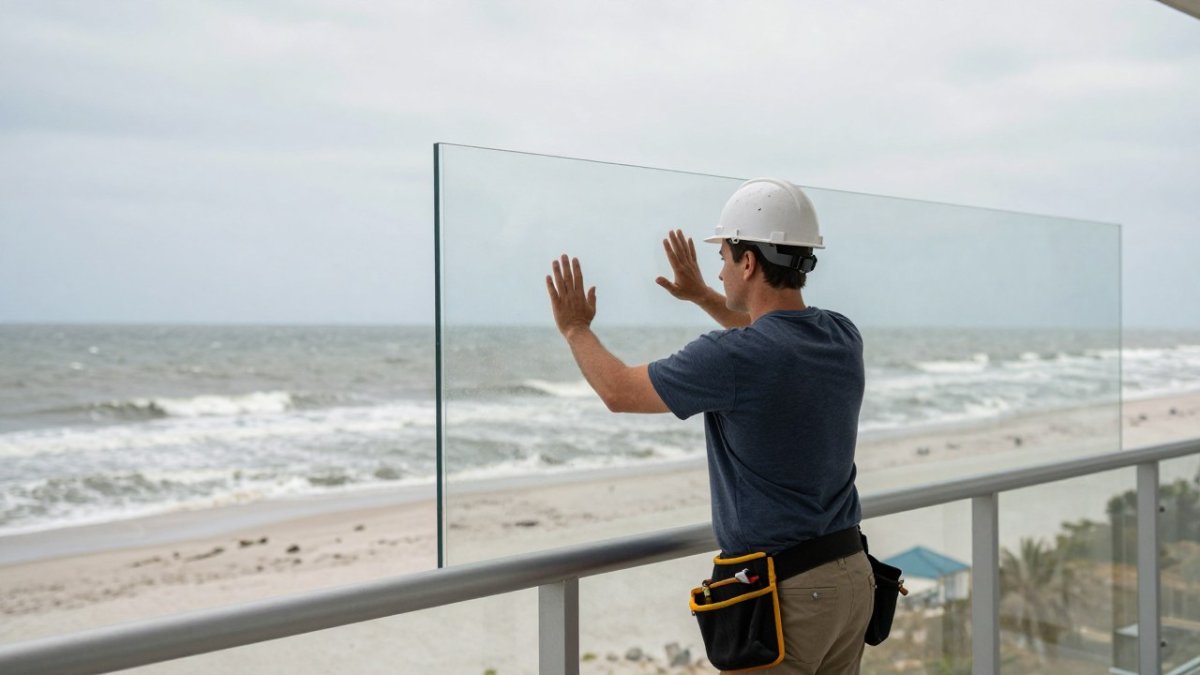
Impact glass is laminated: panes bonded to a plastic interlayer, usually PVB or a stiffer ionoplast like SentryGlas. When debris strikes, the glass may crack, but the interlayer holds fragments so the window stays in the frame.
That protection matters most for the building envelope. Guardian Glass identifies protection from windborne debris and keeping the building envelope intact as a main benefit of impact glazing, as described in Guardian Glass impact glazing overview. A broken window lets wind and rain in quickly, and once wind pressurizes a house through a broken opening, the roof and walls can be pushed from inside, a failed window is often the first link in structural damage.
Protection has limits. Impact windows are not hurricane-proof or shatterproof. Impact glass also does nothing for your roof, doors, garage door, or gable vents, and an intact window can still crack and need replacement after a storm.
If your home already shows damage from a storm, book a structural damage assessment to see what needs repair before you choose glass.
The article gives a rough sense of what impact glass costs and what it protects, summarised below.
| Item | Value | Note |
|---|---|---|
| Average cost per window | $645 | Including installation |
| Lower-cost option | Fixed picture windows | Near the low end of the range |
| Higher-cost options | Sliding doors, custom sizes | Push prices above average |
| Glass construction | Laminated panes | Bonded to a plastic interlayer |
| Interlayer types | PVB or ionoplast | Ionoplast is the stiffer option |
| Main benefit | Protects building envelope | Keeps debris and wind out |
| Protection limit | Not hurricane-proof | Also not shatterproof |
| Not covered | Roof, doors, garage, vents | Impact glass does not protect these |
Hurricane Windows vs Shutters and Standard Glass
If your home already shows storm damage, book a structural damage assessment before you choose glass.
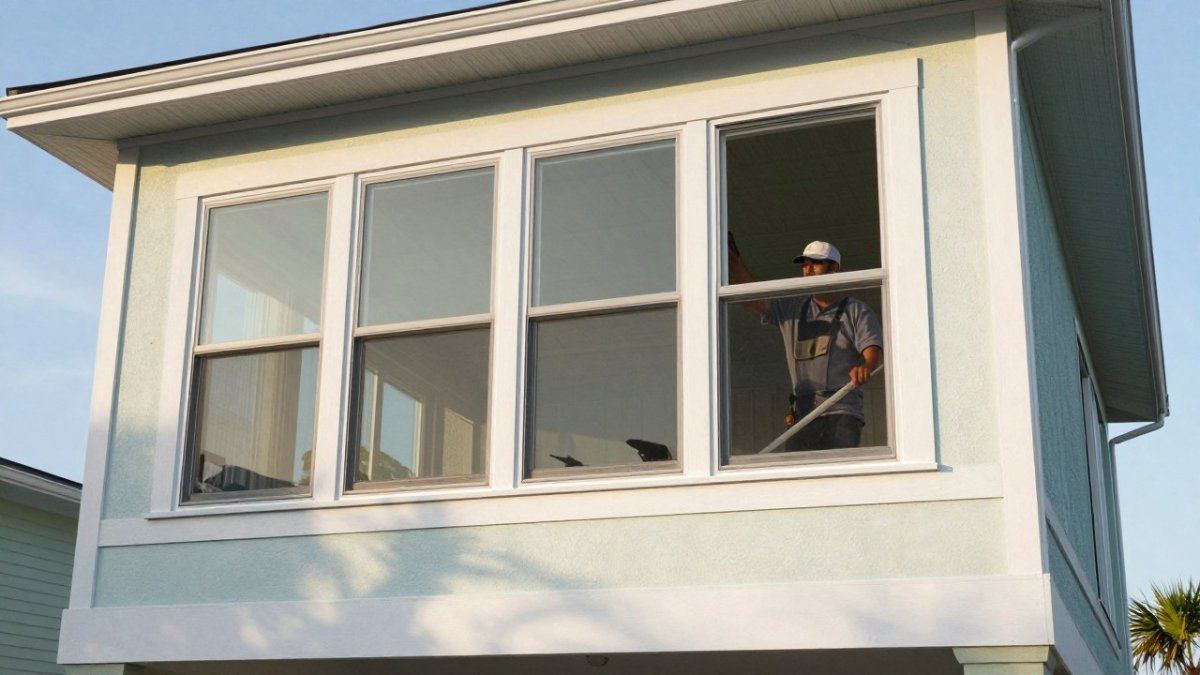
Comparing the three is easier when you look at what each does during a storm. For a deeper look, read coastal resilience construction techniques explained and the current coastal construction standards for 2026.
Deciding Whether Hurricane Glass Is Worth Your Money
Whether hurricane glass is worth it depends on your exposure, your home's age, and your budget, it is a lifetime-cost question, not an upfront-price question. Compare total cost of ownership over the period you plan to hold the home across standard glass, standard glass plus removable storm shutters, and impact windows.
Build the comparison in four columns: purchase and installation; maintenance and replacement; storage and labor for shutter panels; and potential insurance savings, which vary by insurer, policy form, and jurisdiction and are not guaranteed.
Do not assume a discount. Ask your insurer in writing whether impact glass qualifies, what documentation they require, and how the credit is calculated, then compare the annual saving against the added upfront cost over your holding period. The credit alone rarely pays back the full premium difference quickly, so the case usually rests on protection, resale, and avoided storm damage.
A quote that lists only a total price tells you nothing about whether the product is certified for your wind zone. Before you sign, check the damage risk to your structure and get a written quote listing the product rating, frame type, and installation scope.
Frequently Asked Questions
Do impact windows increase home resale value?
Some sellers and manufacturers say they do. Buyers in high-risk coastal areas may value storm protection more than buyers inland. Ask a local appraiser or agent how impact glazing is priced in your specific neighborhood before counting on resale gains.
Can impact windows lower homeowners insurance premiums?
Many insurers offer discounts for storm-rated openings, but the amount varies by carrier, policy and location. Ask your insurer directly whether impact-rated windows qualify for a credit, and request the discount in writing before you buy. Keep the product certification paperwork, since insurers typically need it to apply the reduction. Premium savings can offset part of the upfront cost over time, but they rarely cover the full price on their own.
Are hurricane windows better than storm shutters?
Impact glass stays in place during the storm and keeps windborne debris out year-round, while shutters must be installed before each storm and offer no daily benefit. Shutters cost less up front in many cases, but they require time and labor to deploy. Impact windows also reduce noise and UV exposure. The right choice depends on your budget, how exposed your home is, and how much effort you want to put in before each season.