 blog
5 ECS Limited Alternatives for Florida Construction
Last Updated: October 25, 2026
Quick Summary
The best ecs limited alternatives in Florida offer integrated solutions that combine licensed engineers and construction teams under one roof, eliminating coordination gaps and permitting delays. Firms like Take Off Construction Management provide faster timelines, clearer accountability, and specialists in coastal resilience who understand Florida's unique soil, water, and climate challenges.
- Integrated engineering-construction firms reduce project timelines by 4-8 weeks compared to separated services.
- Licensed engineers on staff as employees provide real-time project oversight and adjust designs when conditions change.
- Private provider status enables expedited permitting in 4-6 weeks versus 12-16 weeks through public agency review.
- Stamped engineering drawings must account for Florida-specific challenges like soil bearing capacity, flood elevation, and wind loading.
- Coastal specialists understand seawall, dock, and elevated structure requirements that general contractors often miss.
Table of Contents
- Why Property Owners Switch From ECS Limited
- What to Look for in ECS Limited Alternatives
- The Role of Stamped Engineering Drawings for Repairs
- Engineering Firms for Structural Repairs: Integrated vs. Separated Services
- Hiring a Residential Structural Engineer: What Sets Them Apart
- Moving Forward With Your Construction Project
- Frequently Asked Questions
Why Property Owners Switch From ECS Limited
When homeowners in Florida face structural damage or complex construction projects, they often start by calling the obvious names, but the best ecs limited alternatives in Florida offer integrated solutions that work better. ECS Limited has built recognition in the market, but that familiarity doesn't always translate to the right fit for every project. Property owners discover alternatives for specific reasons: permitting delays, coordination gaps between separate engineering and construction teams, or a need for specialists in marine construction and coastal resilience.
Take Off Construction Management provides faster permitting, clearer accountability, and engineers who understand Florida's soil, water, and climate challenges. These are critical factors when your seawall is failing or a hurricane damaged your pool structure.
The best ecs limited alternatives in Florida share a common trait: they integrate engineering expertise directly into construction delivery. This eliminates the coordination nightmare of hiring an engineer separately, waiting weeks for drawings, then hiring a contractor who interprets those drawings differently. Florida Department of Business and Professional Regulation regulates both engineering and construction licensing, and the firms that excel do both under one roof.
What to Look for in ECS Limited Alternatives
Finding the right alternative means understanding what actually matters for your project. Not all engineering-construction firms operate the same way, and the differences directly affect your timeline, budget, and final result.
Look for firms with licensed engineers on staff, not contractors who subcontract engineering work. This distinction matters. When engineers are employees, they own the project outcome. They review the construction in real time and adjust if conditions change. When engineering is outsourced, communication delays and finger-pointing become inevitable.
Private provider status is another critical filter. Public agencies handle permitting through county or municipal channels, which introduces wait times outside anyone's control. Private providers like Take Off Construction Management conduct their own plan reviews and inspections, significantly reducing permitting timelines. This isn't a minor convenience; it can significantly reduce project start times.
Specialization in coastal resilience and marine construction matters if your property sits on water or faces hurricane exposure. General contractors dabble in these areas; specialists understand the engineering requirements. Seawalls, docks, and elevated structures demand knowledge of soil conditions, water dynamics, and Florida's specific building code requirements.
Finally, verify that the firm provides transparent budget planning and financing options. Construction projects in Florida can escalate quickly if unexpected conditions surface. Firms that build contingency into estimates and explain financing upfront reduce stress significantly.
The Role of Stamped Engineering Drawings for Repairs
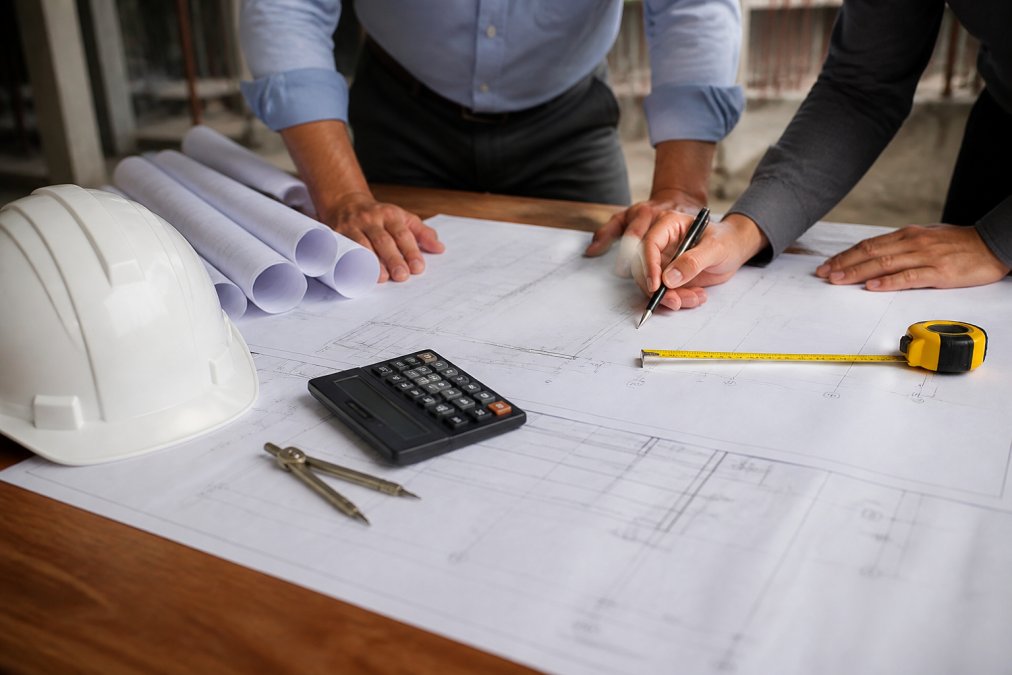
Stamped engineering drawings are your legal proof that a project meets code and is safe. They're not optional, most repair projects in Florida require them. A licensed engineer stamps the drawings, taking professional responsibility for the design.
This is where alternatives to ECS Limited diverge sharply. Some firms produce drawings; others produce drawings that actually anticipate real-world conditions. An engineer who has worked in Florida construction understands that soil bearing capacity, flood elevation, and wind loading aren't theoretical exercises. They're the difference between a repair that holds and one that fails in the next storm.
Take Off Construction Management's engineers create stamped drawings that account for Florida's unique challenges. They've assessed hundreds of properties and know where problems hide. This experience translates into drawings that contractors can actually build from without surprises.
When evaluating alternatives, ask about the engineer's experience with Florida projects specifically. A national firm's standard approach often misses local nuances. Florida Building Code requirements for structural repairs evolve regularly, and firms that track updates produce compliant designs the first time.
You'll also want hiring integrated engineering firms that coordinate drawings with construction execution. Gaps between what an engineer designs and what a contractor builds create liability and cost overruns. Integrated firms eliminate that gap.
Engineering Firms for Structural Repairs: Integrated vs. Separated Services
The choice between integrated and separated services fundamentally changes your project experience. Separated services mean hiring an engineer first, waiting for drawings, then hiring a contractor. Integrated services mean one firm handles both, with engineers and builders working simultaneously.
Separated services create handoff problems. The engineer designs based on assumptions. The contractor discovers those assumptions were wrong mid-project. Soil conditions differ, water intrusion is worse than expected, or structural damage extends further than initial assessment showed. The contractor blames the engineer. The engineer blames the contractor. You pay for the delays.
Ready to move from scope to build? →
Integrated firms absorb that risk themselves. When Take Off Construction Management's engineers discover a problem during construction, they adjust the design and fix it immediately. No back-and-forth, no blame. One firm, one accountability chain.
The cost difference is often smaller than homeowners expect. Separated services look cheaper initially, you're comparing two quotes instead of one. But coordination costs, schedule delays, and change orders add up quickly. Integrated firms front-load the engineering cost but eliminate downstream surprises.
Florida construction project management standards emphasize integrated delivery for complex projects. Projects with single-point accountability often demonstrate greater consistency in finishing on time and within budget compared to fragmented approaches.
Hiring integrated engineering firms requires understanding what integration actually means. It's not just one invoice. It's engineers who review the site before design, contractors who understand the engineering constraints, and a unified schedule that accounts for real conditions, not assumptions.
Hiring a Residential Structural Engineer: What Sets Them Apart
A residential structural engineer isn't just an architect or a general contractor with engineering knowledge. They're licensed professionals who have completed specific education and passed rigorous exams. The credential matters because it means they've been tested on structural theory, materials, and Florida-specific code.
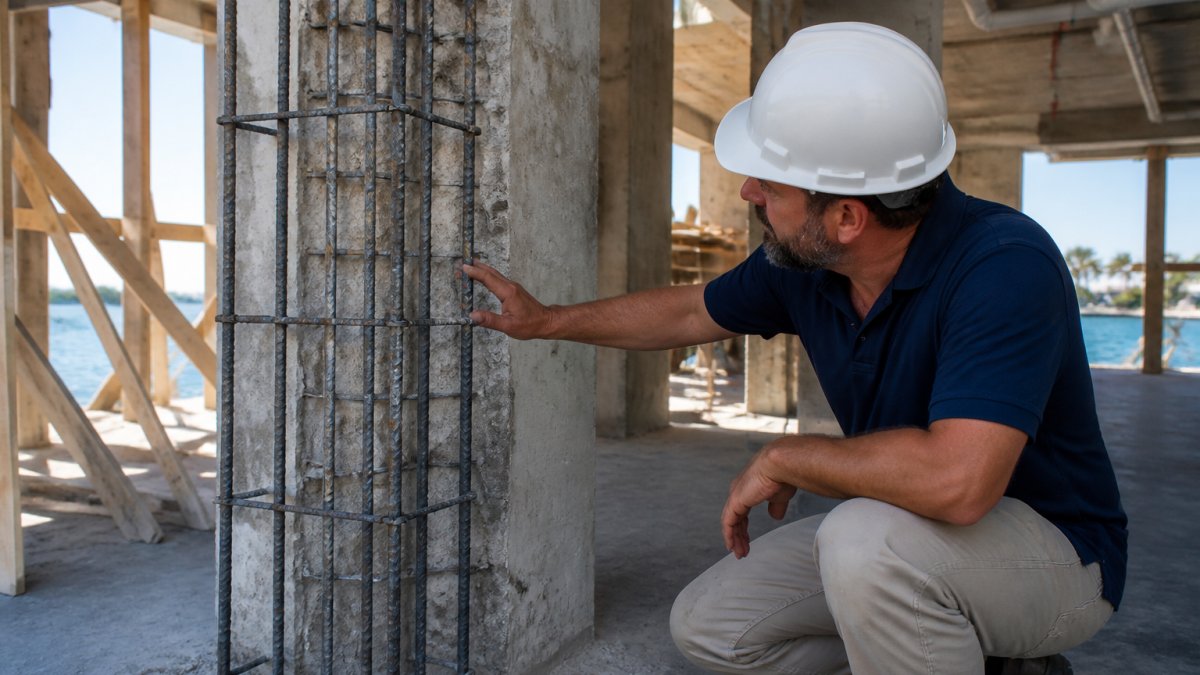
The best ones have field experience. They've seen what happens when designs meet reality. They understand that a foundation repair in sandy soil behaves differently than one in clay. They know that a seawall designed for normal high tide fails when combined with storm surge. This experience becomes embedded in their designs.
When evaluating alternatives, ask about the engineer's specific experience with your project type. Have they repaired pools? Designed seawalls? Assessed storm damage? Handled ADU additions? Each specialty requires different knowledge. A firm that claims to do everything might do nothing particularly well.
Hiring engineering firms for home repairs requires asking about their approach to assessment. Do they conduct soil testing? Do they review historical water damage? Do they model structural loads? The depth of assessment predicts design quality. Quick assessments produce generic designs. Thorough assessments produce solutions that actually work.
Credentials matter too. Look for Professional Engineers licensed in Florida. Ask about continuing education in coastal engineering, hurricane resilience, and Florida building code updates. The field evolves, and engineers who stay current produce better work.
Moving Forward With Your Construction Project
The right alternative to ECS Limited depends on your specific situation. But the underlying principle remains: integrated engineering and construction delivery, executed by a firm that understands Florida's unique challenges, delivers better outcomes faster.
Take Off Construction Management combines two licensed engineers on staff with private provider status for expedited permitting. We provide clear budget planning and financing options so you understand the investment upfront. Our approach minimizes coordination gaps and ensures projects are built to withstand Florida's soil, water, and climate challenges.
Ready to move from scope to build? Get started with Take Off Construction Management and transform your structural repair or construction project into a resilient, code-compliant reality.
| Service Model | Timeline | Accountability | Best For |
|---|---|---|---|
| Integrated (engineer + contractor) | 4-8 weeks faster | Single firm | Complex repairs, coastal projects, urgent timelines |
| Separated (engineer then contractor) | 8-12 weeks standard | Split responsibility | Simple projects, budget-constrained work |
| Private provider review | 4-6 weeks | Expedited | Permitting-sensitive projects |
| Public agency review | 12-16 weeks | Standard process | Non-urgent projects |
Frequently Asked Questions
What should a structural engineering assessment include?
A thorough structural engineering assessment examines your property's foundation, load-bearing walls, roof structure, and any visible damage or deterioration. The engineer inspects soil conditions, water intrusion points, and compliance with current building codes. For coastal properties, the assessment includes wind resistance, flood risk, and corrosion factors. The assessment results form the basis for stamped drawings and repair recommendations, ensuring your project meets code and withstands Florida's environmental challenges.
How do stamped engineering drawings for repairs help with permitting?
Stamped engineering drawings carry the engineer's professional seal and signature, certifying that the design meets building codes and is safe for construction. County permitting departments require these drawings for plan review and approval. Stamped drawings accelerate the permitting process because inspectors can verify compliance immediately. For complex repairs like seawalls, pool foundations, or structural reinforcement, stamped drawings are non-negotiable, they protect you, the contractor, and the county by documenting that the work is engineered to code.
Why hire engineering firms for structural repairs instead of a general contractor?
Engineering firms for structural repairs bring expertise in load calculations, material science, and code compliance that general contractors often lack. They assess root causes of damage, not just symptoms, and design solutions built to last. For Florida's unique soil, water table, and hurricane conditions, an engineer's involvement prevents costly mistakes. When engineering and construction are integrated under one provider, you eliminate coordination delays and miscommunication, the engineer's intent is executed directly by the construction team.
What makes a residential structural engineer different from a general contractor?
A residential structural engineer holds a professional license, carries liability insurance, and stamps drawings with their seal, a legal commitment to design safety and code compliance. They analyze structural systems, calculate loads, and specify materials. A general contractor executes the work but typically does not design it or verify structural adequacy. For major repairs, storm damage, or coastal projects, a residential structural engineer's involvement ensures the design is sound before construction begins, reducing rework and safety risks.